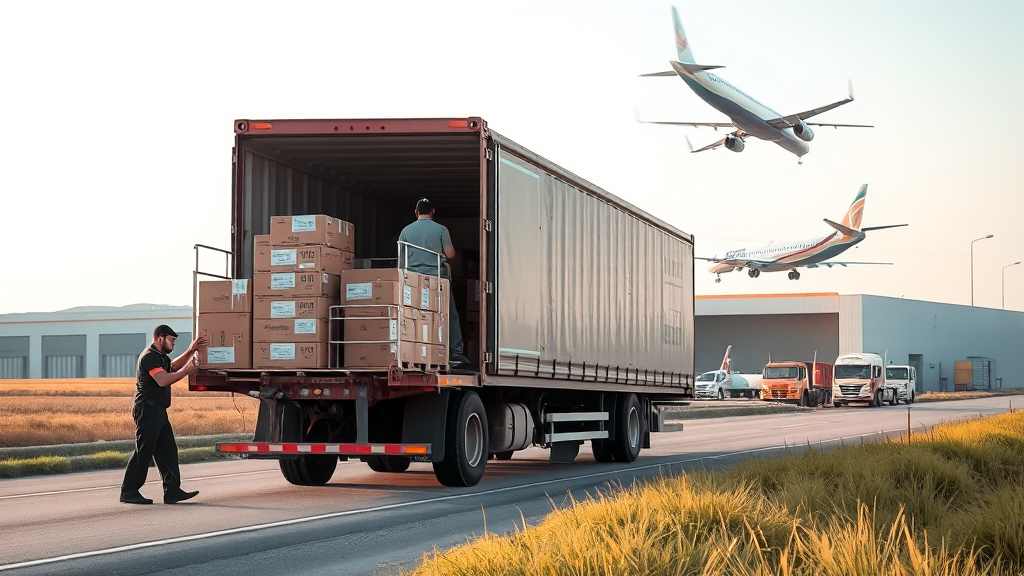
International Cargo Services in Peshawar: A Complete Guide for Importers and Exporters
Peshawar has long been one of Pakistan’s most important commercial gateways. Sitting close to the historic Khyber Pass and connected to the broader trade corridors of Khyber Pakhtunkhwa, the city serves as a natural hub for businesses that buy and sell across borders. Whether you are a small trader importing electronics from China, a family sending household goods abroad, or a manufacturer exporting textiles and leather products, reliable International cargo services in Peshawar can make the difference between a smooth shipment and a costly delay.
This guide explains how international cargo works in Peshawar, what modes of transport are available, how customs clearance is handled, what documents you need, and how to choose a logistics partner that protects your goods and your budget.
Why Peshawar Is a Strategic Cargo Hub
Peshawar’s location gives it a unique advantage in Pakistan’s logistics map. The city is the capital of Khyber Pakhtunkhwa and sits at the junction of routes leading to Afghanistan, Central Asia, and the rest of Pakistan. The Bacha Khan International Airport handles both passenger and cargo traffic, while the nearby dry port facilities and motorway connections link Peshawar to Karachi, Lahore, and Islamabad.
For local businesses, this means cargo can move by air for urgent consignments and by sea for heavy or bulky loads. A trader in Saddar or Hayatabad can consolidate goods, clear customs, and dispatch them internationally without relocating operations to Karachi or Lahore. That convenience has made Peshawar an increasingly attractive base for import-export activity.
The region’s economy also shapes cargo demand. Peshawar and its surrounding districts produce leather goods, marble, gemstones, handicrafts, dry fruits, and textiles. At the same time, local markets import machinery, spare parts, electronics, pharmaceuticals, and consumer goods. International cargo services exist to connect these two sides of the trade equation efficiently.
Air Cargo vs Sea Cargo: Choosing the Right Mode
One of the first decisions in any international shipment is whether to move goods by air or by sea. Each option has clear trade-offs, and the right choice depends on your cargo type, budget, and deadline.
Air Cargo
Air freight is the fastest option. Shipments from Peshawar can reach major hubs in the Gulf, Europe, and East Asia within days rather than weeks. Air cargo is ideal for high-value, time-sensitive, or perishable goods such as pharmaceuticals, electronics, fresh produce, and urgent spare parts. The main drawback is cost, since air freight rates are calculated by chargeable weight and can be significantly higher than sea freight.
Sea Cargo
Sea freight is the workhorse of international trade. It is far more economical for heavy, bulky, or non-urgent shipments. Goods typically move from Peshawar to Karachi Port or Port Qasim by road or rail, then travel by vessel to destinations in Asia, the Middle East, Europe, and beyond. Sea freight offers both Full Container Load (FCL) and Less than Container Load (LCL) options, giving flexibility to businesses of different sizes.
Many experienced traders use a mix of both modes. They send urgent samples or replacement parts by air while moving bulk inventory by sea. A good cargo partner will help you compare transit times and landed costs so you can make an informed decision.
How the International Cargo Process Works in Peshawar
Understanding the shipment journey helps you plan better and avoid surprises. While every consignment is different, most international cargo moves through a similar sequence of steps.
1. Booking and documentation. The process begins with a booking. You provide details about the cargo, destination, and timeline. The freight forwarder prepares key documents such as the bill of lading or air waybill, commercial invoice, packing list, and certificate of origin where required.
2. Pickup and packing. Cargo is collected from your home, shop, or warehouse in Peshawar. Professional packing is essential, especially for fragile items, machinery, and household goods. Export-grade crates, moisture barriers, and proper labeling reduce the risk of damage during transit.
3. Customs clearance. Every international shipment must clear customs. In Pakistan, this involves the Pakistan Customs computerized system, where declarations are filed and duties or taxes assessed. A licensed customs agent handles this on your behalf, ensuring the paperwork matches the actual goods.
4. Transportation to the gateway. Depending on the mode, cargo moves to Bacha Khan International Airport for air freight or to Karachi for sea freight. For Afghan and Central Asian destinations, road routes through Torkham and other border points may be used.
5. International transit. The shipment travels to its destination country, where it undergoes import clearance. The receiving party may need to pay duties and arrange final delivery.
6. Final delivery. Once cleared, goods are delivered to the consignee’s address. Door-to-door services simplify this step by handling everything from pickup in Peshawar to delivery abroad.
Customs Clearance and Documentation Essentials
Customs compliance is where many shipments succeed or fail. Incomplete or inaccurate paperwork can lead to delays, fines, or even confiscation. The most common documents for international cargo from Peshawar include:
- Commercial invoice showing the value and description of goods
- Packing list with weights, dimensions, and package counts
- Bill of lading (sea) or air waybill (air)
- Certificate of origin, when required by the destination country
- Import or export licenses for restricted categories
- Insurance certificate for high-value shipments
It is important to classify goods correctly under the Harmonized System (HS) code. The HS code determines duty rates and whether any special permissions apply. Misclassification is a common cause of customs holds. Working with an experienced freight forwarder in Peshawar reduces this risk because they deal with these rules daily.
Restricted and prohibited items also deserve attention. Some goods require additional certificates from authorities such as the Drug Regulatory Authority, the Ministry of Commerce, or the relevant quarantine department. Checking requirements before booking saves time and money.
Packing, Insurance, and Risk Management
International cargo faces more handling and environmental exposure than domestic shipments. Goods may be loaded and unloaded multiple times, stored in warehouses, and exposed to humidity or temperature changes. Proper packing is the first line of defense.
For household goods, this means sturdy double-walled cartons, bubble wrap for fragile items, and custom crates for furniture and appliances. For commercial cargo, palletization and shrink-wrapping improve stability and make handling easier. Clear labeling with handling instructions and destination details helps prevent misrouting.
Cargo insurance is another critical safeguard. Even the most careful forwarder cannot control storms, accidents, or unexpected events. Marine and air cargo insurance covers loss or damage during transit. The cost is usually a small percentage of the shipment value, and it provides peace of mind for both importers and exporters.
Businesses should also consider Incoterms, the international commercial terms that define who is responsible for costs and risks at each stage. Common terms include EXW, FOB, CIF, and DDP. Choosing the right Incoterm clarifies responsibilities between buyer and seller and prevents disputes.
Choosing the Right Cargo Partner in Peshawar
Not all logistics providers offer the same level of service. When evaluating a cargo company in Peshawar, look for the following qualities:
- Licensed customs brokerage: The provider should have qualified staff who can file declarations and resolve customs issues.
- Global network: Reliable agents at the destination ensure smooth delivery and local clearance.
- Transparent pricing: Ask for a full breakdown of freight, customs, handling, and delivery charges.
- Tracking and communication: You should be able to monitor your shipment and reach a responsive contact.
- Experience with your cargo type: Household goods, machinery, and perishables each require different handling.
It also helps to ask about warehousing. Some providers offer temporary storage in Peshawar before dispatch, which is useful if you are consolidating multiple purchases or waiting for documentation. A secure, well-organized warehouse reduces the risk of damage and loss.
Cost Factors That Affect International Cargo Rates
Freight rates are not fixed. They fluctuate based on several factors that both importers and exporters should understand.
Weight and volume. Carriers charge by either actual weight or volumetric weight, whichever is greater. Light but bulky cargo can be surprisingly expensive because it takes up space.
Mode and route. Air freight costs more than sea freight, and longer routes or transshipment points add to the price. Direct services are faster but often pricier.
Fuel and seasonal demand. Global fuel prices and peak shipping seasons influence rates. Booking early during peak periods can secure better pricing and space.
Customs duties and taxes. These are separate from freight charges and depend on the destination country’s tariff schedule and the value of goods.
Additional services. Packing, insurance, door-to-door delivery, and special handling all add to the total cost. A clear quotation should itemize each component.
Comparing quotes on total landed cost, not just freight, gives a realistic picture. A cheaper freight rate with hidden customs or delivery charges may end up costing more.
Common Challenges and How to Avoid Them
International shipping from Peshawar comes with predictable challenges. Being aware of them helps you prepare.
Documentation errors. Typos, mismatched values, or missing certificates cause delays. Double-check every document before submission.
Customs holds. These often result from incorrect HS codes or undervalued invoices. Accurate declarations speed up clearance.
Capacity constraints. During peak seasons, space on vessels and aircraft can be tight. Booking in advance secures your slot.
Damage in transit. Poor packing and inadequate insurance lead to losses. Invest in quality packing and coverage.
Communication gaps. Language differences and time zones can slow down issue resolution. A forwarder with strong overseas partners bridges this gap.
Addressing these issues proactively turns a potentially stressful shipment into a routine operation.
Frequently Asked Questions
What types of goods can be shipped internationally from Peshawar?
Most legally tradable goods can be shipped, including textiles, leather products, handicrafts, dry fruits, gemstones, electronics, machinery, and household items. Restricted items such as certain chemicals, pharmaceuticals, and weapons require special permissions. Always confirm the rules for your specific product and destination.
How long does international cargo take from Peshawar?
Air freight typically takes a few days to a couple of weeks depending on the destination and customs clearance. Sea freight usually takes several weeks, as goods must first move to Karachi and then travel by vessel. Transit times vary with route, carrier schedules, and port congestion.
Do I need a customs agent to export or import?
While it is technically possible to handle customs yourself, most businesses and individuals use a licensed customs agent. Agents understand the computerized declaration system, HS codes, and duty calculations, which reduces errors and delays.
Can I ship personal household goods internationally from Peshawar?
Yes. Many relocation and cargo companies handle personal effects, furniture, and appliances. Proper packing, an accurate inventory list, and understanding the destination country’s import rules for used household goods are important for a smooth move.
Is cargo insurance really necessary?
Insurance is strongly recommended. It protects you against loss or damage during transit, which can happen despite careful handling. The relatively small premium is worthwhile for valuable or fragile shipments.
Final Thoughts
Peshawar’s role as a trade gateway continues to grow, and businesses that understand international cargo can take full advantage of it. From choosing between air and sea freight to navigating customs and packing goods safely, each step matters. Partnering with a professional logistics provider simplifies the process and protects your investment.
Whether you are importing raw materials, exporting local products, or relocating personal belongings across borders, planning ahead and working with experienced hands will keep your cargo moving smoothly. With the right approach, Peshawar can serve as a reliable launch point for your international shipping needs.